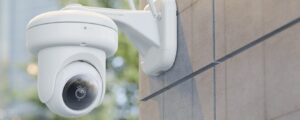
CCTV systems are a requirement for any commercial or residential property to ensure safety. A CCTV system in Singapore is a video monitoring solution designed to capture, record, and review activities in a specific environment. In Singapore, these systems are used in residential homes, offices, retail outlets, warehouses, and public facilities to improve safety and oversight.
Residential users typically require straightforward CCTV camera surveillance systems that allow homeowners to monitor entrances, shared corridors, and parking areas. Businesses, however, often rely on more complex CCTV surveillance system configurations that support wider coverage, higher image resolution, and integrated analytics.
Understanding how the requirements differ between homes and commercial properties helps property owners choose the most appropriate surveillance system. Factors such as monitoring needs, building layout, coverage range, and data management influence how CCTV systems are designed and installed.
What Is a CCTV Surveillance System?
A CCTV surveillance system is a network of cameras, recording devices, and monitoring software used to observe and document activities within a defined location. The system transmits video signals to a recording or monitoring station, allowing authorised users to view live or recorded footage.
Most modern CCTV camera surveillance systems operate through Internet Protocol (IP) technology. IP-based cameras transmit digital video over a network, enabling remote access through mobile devices or computers.
A typical surveillance system generally consists of the following components:
- Cameras: Capture video footage of the monitored area
- Network Video Recorder (NVR) or Digital Video Recorder (DVR): Stores recorded footage
- Monitoring Interface: Software or application used to access video feeds
- Network Infrastructure: Cables or wireless connections linking devices
These components work together to provide visual documentation and monitoring capabilities.
Why CCTV Systems Are Commonly Used in Singapore
CCTV systems are widely implemented in Singapore because they support security monitoring, operational visibility, and incident documentation. Residential buildings, offices, and commercial premises often use surveillance technology as part of broader building management practices.
In residential areas, CCTV systems are typically installed to monitor entrances, corridors, lifts, and parking areas. These cameras help residents observe activity in shared spaces and review footage if incidents occur.
Commercial environments require more extensive coverage. Businesses rely on surveillance systems to monitor employee movement, customer interactions, inventory areas, and building access points. These installations often integrate with other infrastructure such as a security surveillance system or an ip public address system to support coordinated building operations.
The increasing availability of network-based monitoring solutions has also made remote access more common, allowing authorised users to check camera feeds from mobile devices.
Key Differences Between Home and Business CCTV Systems
Home and business surveillance requirements differ mainly in scale, coverage, and monitoring complexity. Residential installations focus on basic monitoring and deterrence, while commercial systems often include advanced features and broader infrastructure integration.
The table below outlines the main differences between typical residential and commercial CCTV systems.
Feature | Residential CCTV Systems | Business CCTV Systems |
Coverage area | Entrances, corridors, parking areas | Multiple zones across buildings |
Camera quantity | Usually 2–6 cameras | Often 10–100+ cameras |
Image resolution | Standard high-definition monitoring | Higher resolution for identification |
Monitoring | Mobile apps or simple control panels | Centralised monitoring stations |
Integration | Standalone systems | Integration with building security systems |
Analytics | Basic motion detection | Advanced video analytics |
These differences influence how systems are designed, installed, and managed over time.
CCTV Systems for Residential Homes
Residential CCTV systems are designed to provide homeowners with simple monitoring and visual oversight of key areas. These systems typically focus on entrances, driveways, corridors, and shared residential facilities.
Homeowners often prioritise convenience and accessibility. Many modern home surveillance systems allow residents to view camera feeds through mobile applications, enabling remote monitoring while away from the property.
Common installation areas in residential environments include:
- Front entrances or gates
- Apartment corridors or lift lobbies
- Car parks or driveways
- Outdoor garden or perimeter areas
These systems generally use a limited number of cameras and require minimal infrastructure. Installation is typically straightforward and may involve basic network connectivity and storage equipment.
Because residential systems serve smaller spaces, the primary objective is monitoring and deterrence rather than large-scale surveillance operations.
CCTV Systems for Commercial and Business Environments
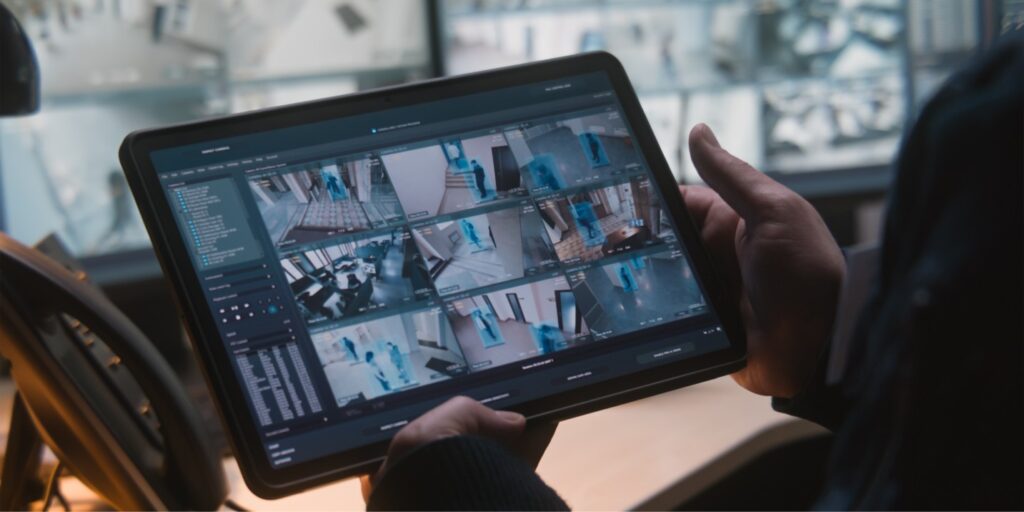
Business environments require surveillance systems that support operational oversight, asset protection, and workplace monitoring. Commercial properties typically include larger spaces, multiple access points, and higher daily activity levels.
A business CCTV surveillance system is therefore designed to cover wider areas while maintaining clear image quality. Retail stores, warehouses, offices, and industrial facilities often rely on multiple cameras connected to a central monitoring system.
Common monitoring zones in commercial properties include:
- Building entrances and exits
- Retail floors and customer areas
- Storage or inventory rooms
- Office corridors and meeting areas
- Car parks and delivery zones
These installations often involve centralised video management software that allows security teams or facility managers to monitor multiple camera feeds simultaneously.
In some commercial environments, surveillance systems are integrated with other infrastructure such as access control systems, alarm systems, or an IP public address system for coordinated facility management.
Camera Types Commonly Used in CCTV Systems
Different camera types are used depending on the environment, coverage requirements, and installation conditions. Each camera design provides specific advantages for particular monitoring scenarios.
The following camera types are commonly found in modern CCTV camera surveillance systems:
- Dome Cameras
Dome cameras are compact and often installed on ceilings. Their design makes it difficult to determine the direction the camera is facing, which can help deter unauthorised activity.
- Bullet Cameras
Bullet cameras are cylindrical and typically mounted on walls or outdoor structures. They are frequently used for perimeter monitoring or long-distance viewing.
- PTZ Cameras (Pan-Tilt-Zoom)
PTZ cameras allow operators to remotely control camera movement and zoom levels. These cameras are often used in commercial facilities that require flexible monitoring.
- 360-Degree Cameras
These cameras provide wide coverage by capturing panoramic views. They are suitable for large indoor areas such as lobbies or retail floors.
Selecting the appropriate camera type depends on factors such as viewing distance, lighting conditions, and installation location.
Coverage Planning and Camera Placement
Effective surveillance requires careful planning of camera coverage and positioning. Camera placement determines how well a CCTV surveillance system captures relevant activity and minimises blind spots.
Coverage planning usually considers several factors:
- Entry and exit points of the building
- Areas with frequent movement or activity
- Locations where visibility may be obstructed
- Lighting conditions during day and night
For residential environments, coverage planning is relatively straightforward because monitoring areas are limited. A few strategically positioned cameras can provide sufficient oversight.
Commercial environments require more detailed planning. Businesses often conduct site assessments to determine how many cameras are needed and where they should be installed. Larger facilities may divide monitoring into zones to ensure consistent coverage.
Proper camera positioning improves the reliability and usefulness of recorded footage.
Storage and Video Management in CCTV Systems
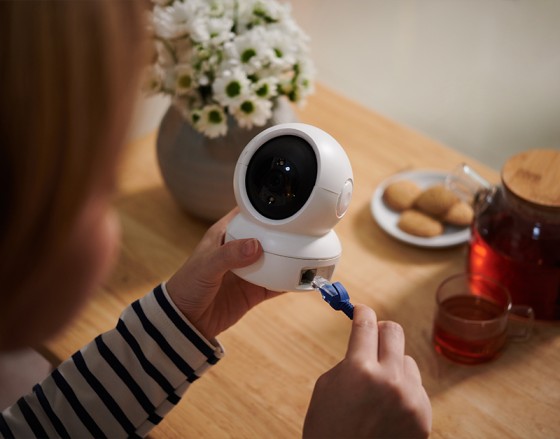
Video storage is a core function of any surveillance system because it allows users to review recorded footage after an event. Modern CCTV systems typically use digital recorders or network-based storage solutions.
Video data can be stored through several methods:
- Local recording devices such as NVR or DVR units
- Network-attached storage (NAS) within the local network
- Cloud-based storage services
The choice of storage method often depends on the scale of the installation. Residential systems frequently rely on compact recording devices with limited storage capacity.
Commercial surveillance systems, however, may require higher storage volumes due to the larger number of cameras and longer recording durations. Businesses often use centralised video management systems that organise footage and provide search capabilities.
Video management software allows authorised users to access live feeds, review recordings, and manage camera configurations.
Installation Considerations for CCTV Systems
The installation process of a surveillance system involves both technical setup and environmental planning. Proper installation ensures the system operates reliably and captures useful footage.
Several factors influence how a CCTV system in Singapore installation is carried out:
- Building structure and layout
- Network connectivity and cabling routes
- Lighting conditions and outdoor exposure
- Camera mounting positions and viewing angles
Residential installations usually involve fewer devices and simpler wiring requirements. Cameras are often connected to a central recorder within the home network.
Commercial installations may require structured cabling, dedicated network infrastructure, and multiple recording devices. Large buildings often integrate surveillance systems with existing security infrastructure such as a security surveillance system or building management platforms.
Professional planning helps ensure cameras operate effectively within the environment.
Choosing the Right CCTV System for Your Environment
Selecting a suitable surveillance system depends on the environment in which it will operate. Residential and commercial spaces require different levels of monitoring, infrastructure, and system capabilities.
When evaluating a surveillance system, several considerations are commonly assessed:
- Coverage Requirements: Determine which areas must be monitored and how many cameras are required.
- Monitoring Access: Identify who will access the system and whether remote monitoring is necessary.
- Image Clarity and Resolution: Higher resolution cameras may be required for identification in larger environments.
- Integration with Other Systems: Some buildings require integration with other technologies such as access control or public communication systems.
- Future Scalability: Businesses often choose systems that allow additional cameras to be added later.
By evaluating these factors, property owners can identify the most suitable configuration for their surveillance needs.
Frequently Asked Questions (FAQs)
A CCTV system in Singapore is used to monitor and record activities within residential, commercial, or public environments. The footage captured by cameras can help property owners observe daily activity, review incidents, and support building security practices.
Residential installations typically use between two and six cameras depending on the layout of the property. Cameras are usually placed at entrances, corridors, and outdoor areas where monitoring is most useful.
Businesses often operate in larger spaces with multiple access points and higher daily activity levels. As a result, commercial CCTV systems may include more cameras, higher resolution video, and centralised monitoring systems.
Most modern CCTV camera surveillance systems support remote access through mobile applications or web-based interfaces. Authorised users can view live footage and review recorded videos from a computer or smartphone.
The storage duration depends on the system configuration and available storage capacity. Some systems store footage for several days, while larger commercial installations may retain recordings for weeks or longer.
Understanding the Role of Surveillance in Different Environments
CCTV technology serves different purposes depending on where it is installed. Residential properties generally use surveillance systems for basic monitoring and deterrence, while businesses rely on more extensive infrastructure to manage larger spaces and operational activity.
Understanding the differences between these environments helps property owners identify the most appropriate surveillance approach. Factors such as coverage area, camera type, storage capacity, and system integration all influence how effectively a surveillance system functions.
By aligning system design with the specific environment, users can ensure that monitoring solutions remain practical, reliable, and suited to the needs of the property.
Schedule a Consultation for CCTV System Planning
Selecting an appropriate surveillance setup often requires evaluating building layout, monitoring requirements, and system integration options. Different environments may require different camera types, storage methods, and network configurations.
For those planning to implement or upgrade a surveillance system, it may be useful to consult with a specialist to assess the environment and determine the most suitable system configuration. A professional assessment can help identify coverage needs, infrastructure requirements, and future scalability considerations.