
Card access systems are necessary solutions for residential or commercial buildings. A card access system in Singapore is an electronic security solution that controls and records entry to buildings, rooms, and restricted areas using access cards or credentials. These systems replace traditional keys and provide organisations with the ability to manage who can enter specific locations and when access is permitted.
Businesses across Singapore commonly implement card access system technologies in offices, industrial facilities, healthcare institutions, and educational campuses. These solutions help improve physical security while allowing administrators to monitor entry activity through centralised software platforms.
Choosing the appropriate card access system requires understanding factors such as system scalability, integration capability, regulatory considerations, and software functionality. Some organisations also evaluate enterprise-level platforms such as Prowatch card access or Winpak card access solutions to ensure compatibility with broader building security infrastructure.
This comprehensive guide explains the key considerations organisations should evaluate when selecting a card access system and how integrated card access platforms can support operational efficiency and security management.
What Is a Card Access System?
A card access system is an electronic access control system that uses encoded cards, readers, and software to manage entry permissions for individuals within a facility. Instead of mechanical keys, authorised users present a card or credential to a reader installed near entry points.
The system verifies the credential through a central access control database. If the user has the appropriate permission, the system unlocks the door or access point.
A typical card access system includes several core components. These components work together to provide secure and controlled entry to designated spaces.
The main elements of a card access system include:
- Access Cards or Credentials: Identification cards issued to authorised personnel
- Card Readers: Devices installed near doors to read credentials
- Door Controllers: Hardware responsible for granting or denying access
- Management Software: Central platform used to configure permissions and monitor activity
- Electronic Locks or Door Hardware: Mechanisms that secure entry points
Modern access control platforms also provide features such as access logs, scheduling rules, and remote administration. These capabilities allow organisations to manage security policies without relying on physical keys.
Why Businesses in Singapore Implement Card Access Systems
A card access system provides controlled entry management and improves security monitoring within commercial environments. Organisations implement these systems to protect facilities, manage workforce access, and reduce risks associated with unauthorised entry.
Buildings in Singapore often contain multiple restricted areas such as data rooms, laboratories, equipment storage spaces, or administrative offices. Card access systems allow organisations to grant different levels of access to different users.
The use of electronic access control provides several operational benefits. These benefits help organisations manage security policies more efficiently.
Common reasons organisations deploy card access system solutions include:
- Managing staff access across multiple departments or floors
- Recording entry logs for security audits and investigations
- Restricting access to sensitive or restricted areas
- Replacing mechanical keys that are difficult to track or revoke
- Supporting compliance with organisational security policies
Many facilities also connect their access control system with other infrastructure systems such as a security surveillance system or an ip public address system. Integration allows security teams to respond more effectively during incidents or emergency situations.
Key Components of an Integrated Card Access System
An integrated card access platform refers to an access control system that connects with other security or building management technologies. Integration enables multiple systems to work together through a unified monitoring interface.
Integrated card access platforms typically combine access control with monitoring, alerting, and communication capabilities. This integration supports a more coordinated approach to facility security management.
A typical integrated card access environment may include several connected systems. These systems share data or alerts through a central management platform.
Examples of systems commonly integrated with card access systems include:
- Security surveillance system platforms used to monitor camera feeds
- IP public address system infrastructure used for announcements or alerts
- Building management systems controlling lighting or elevators
- Alarm systems used to detect intrusions or forced entry
When these technologies operate together, security teams can quickly verify incidents and respond with appropriate actions.
For example, if a card access system registers an unauthorised entry attempt, the surveillance system may automatically display camera footage from the relevant doorway. At the same time, the public address system may broadcast security instructions if required.
Important Factors When Choosing a Card Access System
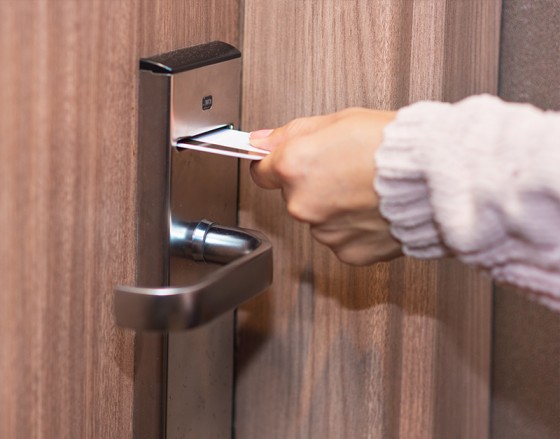
Selecting a card access system requires careful evaluation of operational requirements and long-term scalability. Organisations should consider system performance, integration capabilities, and administrative features before implementation.
Several factors influence the suitability of a card access system. Understanding these criteria helps organisations select a solution that aligns with security needs and facility size.
The following considerations are commonly evaluated when choosing a card access platform.
1. Scalability
Scalability refers to the ability of the system to expand as an organisation grows. Businesses with multiple buildings or future expansion plans should select a card access system capable of supporting additional doors, users, and locations.
A scalable system allows administrators to add new controllers or readers without replacing the existing infrastructure.
2. Integration Capability
Integration capability determines whether the system can connect with other security or building management technologies. Many organisations prefer systems that integrate with surveillance, alarm, and communication platforms.
Integration is particularly useful when a facility uses a security surveillance system or ip public address system to coordinate emergency responses.
3. User Management and Access Policies
Access control systems should provide flexible permission settings. Administrators should be able to assign access rights based on roles, departments, or schedules.
For example, cleaning staff may require access only during specific hours, while administrative personnel may require full daytime access.
4. Software Interface and Reporting
The access control software interface determines how easily administrators can configure settings and monitor entry activity.
Key software features typically include:
- Access logs showing entry attempts and approvals
- User management dashboards
- Alarm or alert notifications
- Integration with security monitoring tools
A well-designed interface helps security teams review activity records efficiently.
5. Compliance and Security Standards
Security systems used in Singapore often need to comply with organisational security policies or industry-specific requirements. These may include data protection standards or building security guidelines.
Organisations should ensure the card access platform supports secure credential management and encrypted communication between system components.
Overview of Prowatch Card Access Systems
Prowatch card access systems are enterprise-level access control platforms designed for large-scale facilities and multi-site organisations. The system provides centralised management of access permissions, user credentials, and activity monitoring.
Prowatch platforms are commonly deployed in environments requiring high levels of security control. These environments may include corporate headquarters, industrial facilities, transportation infrastructure, or research laboratories.
The system supports advanced monitoring features and integration capabilities. These capabilities allow security teams to manage large security networks from a central interface.
Key capabilities typically associated with Prowatch card access systems include:
- Centralised management across multiple facilities
- Integration with surveillance and alarm systems
- Advanced event monitoring and reporting
- Support for large user databases and credential management
Organisations with complex security requirements often evaluate Prowatch solutions when designing integrated security infrastructure.
Overview of Winpak Card Access Systems
Winpak card access systems are integrated security management platforms designed to coordinate access control, video surveillance, and intrusion detection. The system allows multiple security technologies to operate through a single interface.
Winpak systems are commonly used in facilities that require a unified security monitoring environment. The platform enables operators to view access events and surveillance feeds simultaneously.
This integrated approach improves situational awareness during security incidents. When an access event occurs, operators can verify activity through connected surveillance systems.
Winpak card access platforms often support several operational capabilities. These capabilities help security teams manage security policies effectively.
Common capabilities include:
- Integrated management of access control and surveillance systems
- Event monitoring with automated alerts
- Centralised control of multiple security devices
- Flexible reporting and activity tracking
Winpak systems are frequently considered in environments where integrated security infrastructure is required.
How Integrated Card Access Improves Operational Efficiency
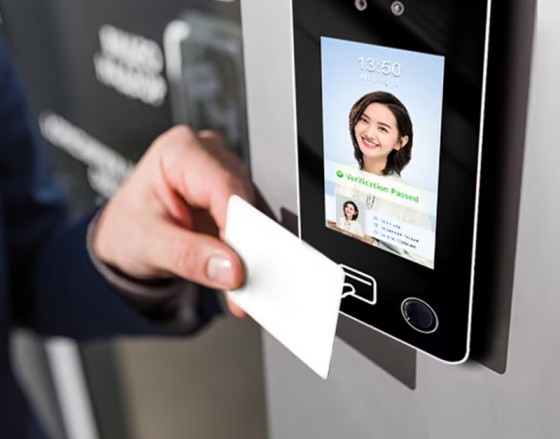
Integrated card access systems improve operational efficiency by connecting access control with other building management technologies. Integration allows security teams to coordinate multiple systems through a single monitoring environment.
When systems operate independently, security personnel may need to review multiple interfaces during an incident. Integrated systems reduce this complexity by centralising monitoring and control functions.
Integrated card access solutions often support several operational advantages.
These advantages include:
- Faster verification of entry events through surveillance integration
- Automated responses triggered by security alerts
- Simplified monitoring through a unified dashboard
- Improved coordination during emergency situations
For example, if an unauthorised access attempt occurs, the system may trigger an alert while displaying camera footage from the security surveillance system. At the same time, the ip public address system may broadcast security announcements to guide building occupants.
Typical Applications of Card Access Systems in Singapore
Card access systems are widely used across multiple sectors in Singapore. These systems support both security management and operational efficiency in facilities that require controlled entry.
Different industries adopt access control technologies based on their specific operational needs.
The following environments commonly implement card access systems.
Industry | Typical Application |
Commercial offices | Managing employee access to floors and meeting areas |
Industrial facilities | Restricting access to equipment zones or production areas |
Healthcare facilities | Controlling entry to laboratories or restricted departments |
Educational institutions | Managing access to campuses, dormitories, and staff offices |
Data centres | Protecting server rooms and sensitive IT infrastructure |
These applications demonstrate how access control technology can support both security and operational requirements.
Planning for Long-Term Card Access System Support
Long-term support refers to the maintenance, upgrades, and system management required after initial installation. Access control systems are part of an organisation’s long-term security infrastructure and require periodic updates.
Administrators should consider system support capabilities when selecting a card access platform. Systems that support software updates, expansion modules, and technical support services can remain operational for longer periods.
Planning for long-term support typically involves evaluating several operational factors.
These factors may include:
- Availability of software updates and security patches
- Compatibility with new hardware components
- Support for system expansion as facilities grow
- Availability of technical service and maintenance
Organisations that plan for these factors can maintain a reliable access control infrastructure over time.
Frequently Asked Questions (FAQs)
A card access system controls entry to buildings or restricted areas using electronic credentials such as access cards. The system verifies user permissions through access control software and unlocks doors only for authorised individuals. This approach allows organisations to manage entry permissions and maintain activity records.
A card access system operates through a combination of access cards, card readers, door controllers, and management software. When a user presents a credential to a reader, the system checks the access database to determine whether the user has permission to enter. If authorised, the door unlocks and the event is recorded in the access log.
Prowatch card access platforms focus on enterprise-scale access control management for large facilities or multi-site organisations. Winpak card access systems emphasise integrated security management by combining access control, surveillance, and intrusion monitoring within a single interface. Both platforms support large-scale security environments.
Yes, many card access systems support integration with other security infrastructure. These systems may connect with surveillance platforms, alarm systems, and communication tools such as an ip public address system. Integration helps security teams coordinate responses during incidents.
Card access systems can be deployed in facilities of various sizes. Smaller businesses may implement basic access control systems to manage employee entry and protect restricted areas. Larger organisations may deploy enterprise-level platforms with integrated monitoring capabilities.
Strengthening Facility Security Through Access Control
A card access system provides organisations with a structured approach to managing entry permissions and monitoring building security. These systems replace traditional keys with digital credentials that can be managed through centralised software.
Businesses evaluating a card access system in Singapore should consider factors such as scalability, integration capability, software functionality, and long-term maintenance requirements. Enterprise platforms such as Prowatch card access and Winpak card access systems demonstrate how integrated card access technologies can support modern security operations.
Selecting the appropriate system depends on the organisation’s security policies, facility size, and operational requirements.
Organisations planning to upgrade their facility security infrastructure may wish to book a consultation to assess access control requirements, evaluate integration capabilities, and determine suitable system configurations for their premises.