
A media converter provides flexibility to networking solutions. A media converter fibre to Ethernet is a networking device that allows fibre optic cables and copper Ethernet cables to communicate within the same network. It converts electrical Ethernet signals into optical signals, enabling data to travel across fibre infrastructure while maintaining compatibility with existing copper-based systems.
Many organisations operate hybrid networks where legacy copper infrastructure coexists with modern fibre backbones. A fibre media converter or fibre optic media converter acts as a bridge between these technologies, enabling gradual network upgrades without replacing the entire system.
This approach allows businesses to extend network distances, improve transmission reliability, and support higher bandwidth requirements. In environments such as enterprise buildings, industrial facilities, and large campuses, media converters provide a practical method for expanding network capacity while maintaining compatibility with existing Ethernet equipment.
What a Media Converter Fibre to Ethernet Does
A media converter fibre to Ethernet converts signals between copper Ethernet networks and fibre optic networks. The device translates electrical signals used in copper cables into optical signals used in fibre cables, and vice versa.
Copper Ethernet cables are widely used for short-distance networking within offices and buildings. However, their transmission range is limited. Fibre optic cables transmit data through light signals and support significantly longer distances and higher bandwidth.
A fibre optic media converter enables the following network functions:
- Connecting copper Ethernet devices to fibre optic infrastructure
- Extending network distance beyond copper cable limits
- Integrating legacy networking equipment with fibre backbones
- Supporting hybrid network environments during infrastructure upgrades
By converting the signal format between copper and fibre, the device allows organisations to integrate modern fibre connectivity without replacing existing Ethernet equipment.
Why Fibre Connectivity Is Important for Modern Networks
Fibre optic networking supports high-speed data transmission over long distances with minimal signal loss. Compared with copper cabling, fibre provides greater bandwidth capacity and stronger resistance to interference.
Organisations expanding their digital infrastructure often adopt fibre networks to support increasing data traffic. Applications such as high-resolution video transmission, cloud services, and network security systems require stable and high-capacity connections.
Several technical advantages explain why fibre infrastructure is widely adopted:
Network Characteristic | Copper Ethernet | Fibre Optic |
Maximum distance | Typically up to 100 metres | Several kilometres |
Electromagnetic interference | Susceptible | Immune |
Bandwidth capability | Moderate | Very high |
Signal degradation | Increases over distance | Minimal |
Because fibre offers superior performance, many organisations upgrade their backbone network to fibre while maintaining copper connections for endpoint devices. A media converter allows these two technologies to operate together.
How a Fibre Media Converter Extends Network Distance
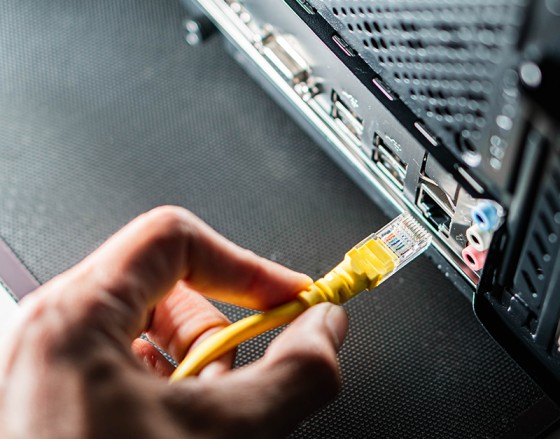
A fibre media converter enables networks to extend far beyond the limitations of copper cabling. Copper Ethernet cables generally support a maximum transmission distance of approximately 100 metres before signal quality begins to degrade.
Fibre optic cables, in contrast, can transmit data over several kilometres without significant signal loss. When a network requires connectivity between distant buildings, factory floors, or surveillance control rooms, fibre becomes essential.
A media converter functions as a transition point between the two cable types. The process typically works as follows:
- Data leaves an Ethernet device through a copper cable.
- The converter receives the electrical signal.
- The device converts the signal into optical light pulses.
- The optical signal travels through the fibre cable to the destination.
- Another converter translates the signal back into Ethernet format.
This conversion process enables long-distance communication without requiring changes to the original Ethernet devices.
The Role of Fibre Optic Media Converters in Network Reliability
A fibre optic media converter improves network reliability by leveraging the physical advantages of fibre optic transmission. Fibre cables are not affected by electromagnetic interference, which commonly impacts copper cables.
Industrial facilities, manufacturing environments, and infrastructure installations often contain equipment that generates electrical noise. Fibre connectivity ensures that network signals remain stable even in these environments.
Fibre networks also provide protection from electrical hazards such as lightning strikes and ground loops. Because fibre uses light rather than electrical current, it isolates networking equipment from electrical surges.
These characteristics make fibre connectivity particularly suitable for environments where network stability is critical. For example, systems supporting security surveillance, building automation, and industrial monitoring depend on uninterrupted communication.
When Organisations Should Upgrade Their Media Converter Setup
A network upgrade becomes necessary when existing infrastructure can no longer support operational requirements. Media converters play an important role in enabling gradual upgrades without disrupting existing systems.
Several indicators suggest that an organisation may need to review its media converter setup.
A network infrastructure assessment may reveal the following conditions:
- Increasing data traffic exceeding copper bandwidth capacity
- Expansion of buildings or facilities requiring long-distance connectivity
- Implementation of fibre backbone infrastructure
- Deployment of high-bandwidth applications such as video monitoring
When these conditions occur, a fibre media converter provides a transitional solution that supports both legacy and fibre networks.
Types of Media Converters Used in Network Infrastructure
Media converters exist in different configurations depending on the networking requirements. Each type is designed to support specific connectivity scenarios.
Understanding the common categories helps organisations choose appropriate devices for network expansion.
The most frequently used types include:
- Copper-to-Fibre Converters
These connect Ethernet devices to fibre optic cables and represent the most common form of media converter.
- Single-Mode Fibre Converters
These support long-distance communication, often used for connections between buildings or across large facilities.
- Multi-Mode Fibre Converters
These support shorter fibre runs and are commonly used within campus or enterprise environments.
- Industrial Media Converters
These are designed for harsh environments where temperature fluctuations and vibration may occur.
Each configuration supports specific deployment requirements and network distances.
How Media Converters Support Network Expansion in Singapore
Network expansion in Singapore often involves integrating modern fibre infrastructure into existing buildings and facilities. Many commercial properties, industrial parks, and campuses require scalable network solutions that can adapt to increasing data demands.
A media converter fibre to Ethernet provides a practical method for extending fibre networks within these environments. It allows organisations to upgrade backbone connectivity while maintaining existing Ethernet devices.
For example, organisations may need to connect security surveillance systems across multiple floors or buildings. Fibre connectivity allows video data to travel longer distances while maintaining consistent performance.
Similarly, infrastructure projects that involve monitoring systems, automation networks, or communication systems often rely on fibre backbones combined with copper access networks.
A fibre optic media converter ensures these networks remain compatible during expansion.
Integration With Ethernet Media Converter Infrastructure

An Ethernet media converter is commonly used alongside fibre converters to support flexible network design. These devices ensure that Ethernet-based networking equipment can connect to fibre infrastructure without compatibility issues.
Network architects often deploy converters in pairs to maintain signal compatibility between fibre and copper segments. This approach allows organisations to maintain existing switches, routers, and endpoints while expanding fibre coverage.
Typical integration scenarios include:
- Connecting network switches to fibre backbone links
- Linking buildings within campus networks
- Extending connectivity to remote control rooms
- Supporting distributed monitoring and communication systems
By combining fibre connectivity with Ethernet infrastructure, organisations can scale their networks without large-scale hardware replacement.
Planning a Future-Ready Network Architecture
A future-ready network architecture supports increasing bandwidth demands, longer transmission distances, and improved reliability. Fibre infrastructure forms the foundation of modern network expansion strategies.
Media converters help organisations adopt fibre technology gradually while preserving existing investments in Ethernet equipment. This reduces disruption during network upgrades and allows infrastructure improvements to occur in stages.
A structured network planning approach typically includes the following steps:
- Assess current network capacity and limitations
- Identify locations requiring extended connectivity
- Deploy fibre backbone links where distance or bandwidth demands increase
- Install media converters to bridge copper and fibre segments
This structured deployment ensures that the network can evolve alongside organisational requirements.
Frequently Asked Questions (FAQs)
A media converter fibre to Ethernet is used to connect copper Ethernet networks with fibre optic networks. The device converts electrical Ethernet signals into optical signals so that data can travel through fibre cables. This allows organisations to extend network distance and integrate fibre infrastructure without replacing existing Ethernet devices.
A fibre media converter and a fibre optic media converter refer to the same type of networking device. Both convert signals between copper Ethernet cables and fibre optic cables. The terminology varies depending on manufacturer documentation and industry usage.
Media converters enable Ethernet networks to transmit data over fibre cables, which support significantly longer distances than copper cables. Copper cables typically support up to 100 metres, while fibre can extend several kilometres. This capability makes converters essential for connecting distant buildings or infrastructure.
Yes, media converters are commonly used in systems that require reliable long-distance connectivity. For example, security surveillance networks often transmit video data across multiple buildings or facilities. Fibre connections combined with media converters ensure stable transmission across extended distances.
A network upgrade should include a media converter when an organisation begins adopting fibre infrastructure while still using copper Ethernet equipment. The device allows both technologies to operate together during the transition to fibre-based networking.
Building Scalable Connectivity for Growing Networks
A media converter fibre to Ethernet enables organisations to expand their networks while maintaining compatibility with existing Ethernet infrastructure. By converting signals between copper and fibre, the device supports longer transmission distances, higher bandwidth capacity, and improved signal reliability.
Fibre connectivity forms a critical component of modern network architecture, particularly in environments where network traffic continues to grow. Media converters allow organisations to adopt fibre infrastructure gradually while preserving their current networking equipment.
Through this bridging function, fibre media converters support scalable, resilient networks capable of meeting future connectivity demands.
Organisations planning to expand their fibre networking infrastructure may benefit from professional assessment of network design and connectivity requirements. Businesses evaluating fibre integration or media converter deployment can enquire to better understand suitable network architecture options.