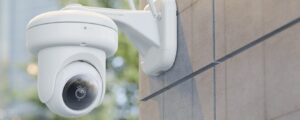
Surveillance solutions are an absolute necessity for any commercial or industrial environment. Industrial surveillance cameras are specialised monitoring devices designed for use in factories, energy facilities, logistics centres, and other demanding industrial environments. These systems provide continuous visual monitoring while operating reliably in conditions that may include dust, vibration, extreme temperatures, hazardous chemicals, or explosive atmospheres.
Unlike standard office or retail cameras, industrial-grade monitoring equipment is engineered to meet strict safety and durability requirements. Many facilities in Singapore, particularly those operating in sectors such as oil and gas, petrochemicals, marine operations, manufacturing, and utilities, require surveillance equipment that complies with international safety certifications.
Selecting the right equipment requires understanding several technical considerations. These include material construction, ingress protection ratings, environmental tolerance, and specialised designs such as exproof CCTV systems and corrosion-proof camera models. This article explains the key features that help facilities choose industrial surveillance cameras that meet operational and safety requirements.
What Industrial Surveillance Cameras Are and Why They Are Used
Industrial surveillance cameras are monitoring devices specifically engineered for use in challenging environments where standard CCTV equipment may fail. They are designed to provide reliable visual monitoring while maintaining durability and safety compliance in industrial settings.
Facilities use these cameras for several operational purposes. These systems support workplace safety monitoring, equipment supervision, security surveillance, and incident investigation. Industrial monitoring devices are often integrated into a broader CCTV surveillance system that covers production areas, storage zones, and facility perimeters.
The primary difference between industrial systems and consumer CCTV lies in their construction and certification. Industrial models often feature reinforced housing, specialised sealing, and compliance with hazardous location standards. These characteristics ensure stable operation even in areas where environmental conditions are unpredictable or hazardous.
How Industrial Environments Affect Camera Selection
Industrial environments introduce conditions that significantly influence camera performance and durability. Equipment used in these locations must be capable of operating reliably despite environmental stresses that may include temperature fluctuations, airborne particles, vibration, and chemical exposure.
Facilities evaluate environmental factors before selecting surveillance equipment. These conditions determine whether specialised equipment such as industrial CCTV camera models or corrosion-resistant devices are required.
Several common environmental factors affect camera selection:
Environmental Condition | Impact on Camera Design |
Dust or particulate exposure | Requires sealed housing and high IP ratings |
Chemical exposure | Requires corrosion-resistant materials |
Extreme temperatures | Requires thermal tolerance and temperature-rated components |
Hazardous gases | Requires explosion-proof or exproof camera design |
Moisture or marine exposure | Requires corrosion-proof camera construction |
Understanding these conditions helps facility managers determine whether standard industrial cameras are sufficient or whether specialised equipment is required.
Understanding Explosion-Proof Cameras for Hazardous Locations
Explosion-proof cameras are surveillance devices designed to prevent ignition in environments where flammable gases, vapours, or combustible dust may be present. These devices are often referred to as exproof CCTV or exproof camera systems.
The key function of explosion-proof equipment is containment. These cameras are built with heavy-duty enclosures that prevent internal electrical sparks or heat from igniting surrounding gases. If ignition occurs inside the housing, the enclosure prevents the explosion from spreading to the surrounding environment.
Hazardous locations are typically classified using internationally recognised standards. Facilities often reference ATEX, IECEx, or similar certification frameworks when selecting equipment for hazardous zones.
These classifications commonly include:
- Zone 0: Explosive atmosphere present continuously or frequently
- Zone 1: Explosive atmosphere likely during normal operation
- Zone 2: Explosive atmosphere unlikely but possible under abnormal conditions
Explosion-proof cameras are typically required in Zone 1 or Zone 2 areas. The certification ensures that surveillance equipment can operate safely in locations such as petrochemical plants, fuel storage facilities, and chemical processing plants.
The Importance of Corrosion-Resistant Camera Construction
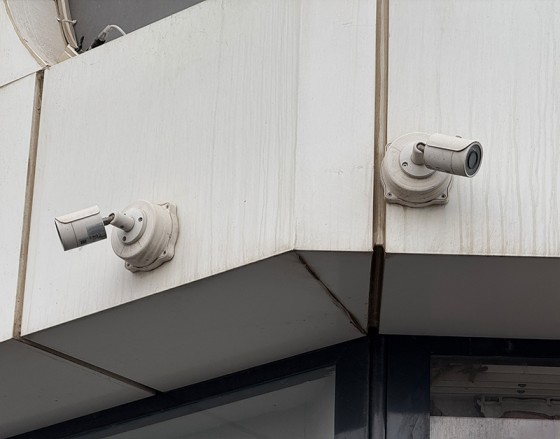
Corrosion-resistant surveillance devices are designed to withstand environments where moisture, salt, chemicals, or industrial pollutants may damage electronic equipment. These devices are commonly referred to as corrosion-proof camera systems.
Corrosion is a major concern in industrial facilities because it can compromise the structural integrity of surveillance equipment. Over time, corrosion may affect camera housings, connectors, mounting brackets, and internal components.
Several industrial environments require corrosion-resistant monitoring systems. These include marine terminals, offshore facilities, wastewater plants, chemical factories, and food processing facilities exposed to cleaning chemicals.
Materials used in corrosion-resistant cameras typically include:
- Marine-grade stainless steel housings
- Anti-corrosion coatings
- Sealed cable entries and connectors
- Protective glass designed for chemical resistance
These features allow the camera to maintain operational reliability despite long-term exposure to aggressive environmental conditions.
Understanding IP Ratings and Environmental Protection
Ingress Protection ratings define the degree to which an electronic device is protected against dust and water intrusion. IP ratings are critical when selecting industrial surveillance cameras because environmental exposure can significantly affect equipment performance.
The IP rating system is defined by two numerical digits. Each digit represents a different type of protection.
IP Rating Element | Protection Description |
First digit | Protection against solid particles such as dust |
Second digit | Protection against water or moisture |
Industrial surveillance devices often require high IP ratings. A commonly used specification is IP66 or IP67, which indicates strong resistance to both dust and water exposure.
High IP ratings are particularly important for facilities where cameras are exposed to outdoor conditions, washdown cleaning processes, or heavy particulate environments such as manufacturing plants.
Temperature Tolerance and Thermal Design
Temperature tolerance refers to the ability of surveillance equipment to operate within a defined temperature range without failure or performance degradation. Industrial facilities often experience temperature extremes that exceed the limits of standard CCTV equipment.
Cameras designed for industrial environments typically include specialised thermal management features. These may include internal heating elements, cooling systems, or thermal insulation within the housing.
Temperature tolerance is particularly important in facilities that experience the following conditions:
- Outdoor installations exposed to direct sunlight
- Cold storage environments
- High-temperature manufacturing processes
- Equipment rooms with significant heat generation
Industrial surveillance cameras may support operational ranges from approximately −40°C to +60°C, depending on the model and environmental design.
Materials and Build Quality in Industrial Cameras
The physical construction of surveillance equipment plays a significant role in long-term reliability. Industrial facilities often require camera housings made from durable materials that can withstand mechanical stress and environmental exposure.
Many industrial CCTV camera systems use stainless steel or hardened aluminium enclosures. These materials provide structural strength while protecting internal electronics from external damage.
Additional design features may include reinforced mounting systems and impact-resistant viewing windows. These components help ensure that cameras remain operational even in environments where vibration or accidental impact may occur.
Facilities also consider maintenance accessibility when evaluating camera build quality. Equipment designed for industrial use often includes service-friendly mounting systems that simplify inspection and replacement procedures.
Integration with Facility Security Systems
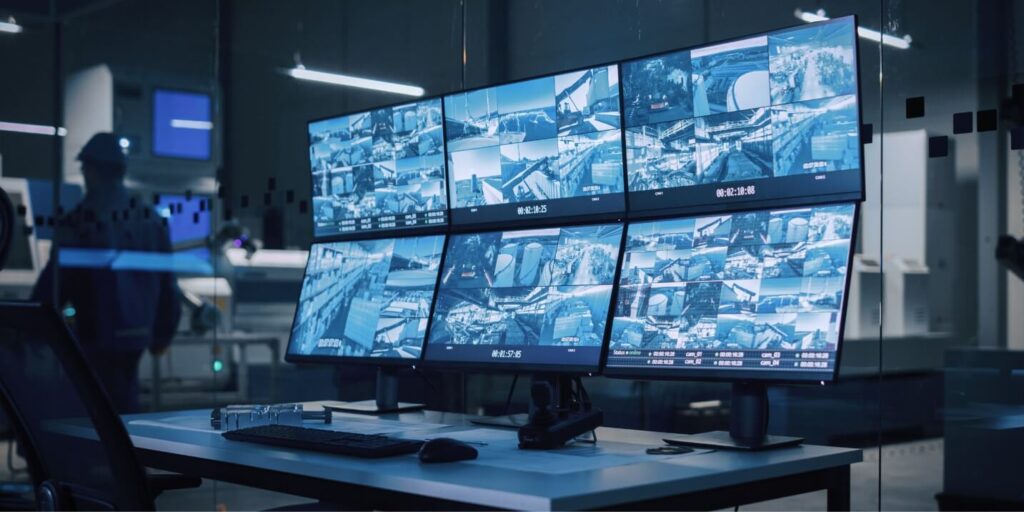
Industrial surveillance cameras are rarely installed as standalone devices. In most facilities, they operate as part of a broader security and monitoring infrastructure.
These cameras are typically connected to a central CCTV surveillance system that records footage, provides remote viewing, and supports operational monitoring. Integration allows facilities to monitor multiple areas simultaneously from a control room or security centre.
Industrial monitoring systems may also integrate with additional facility technologies. These can include access control systems, alarm monitoring platforms, and industrial automation networks.
Integration supports coordinated safety responses. For example, when an alarm is triggered in a hazardous area, surveillance cameras can immediately provide visual verification for operators.
Key Criteria for Selecting Industrial Surveillance Cameras
Selecting appropriate monitoring equipment requires evaluating several operational and environmental criteria. These criteria help determine whether a facility requires standard industrial equipment or specialised systems such as exproof CCTV models.
Facilities commonly assess the following selection factors:
- Environmental Exposure: Temperature, chemicals, dust, and moisture
- Hazard Classification: Whether explosive atmospheres are present
- Material Durability: Corrosion resistance and housing strength
- Ingress Protection Rating: Resistance to dust and water
- System Compatibility: Integration with existing monitoring infrastructure
Evaluating these criteria ensures that the selected equipment aligns with operational safety requirements and long-term reliability expectations.
Applications of Industrial Surveillance Cameras in Singapore
Industrial monitoring systems are widely used across several sectors in Singapore. These systems support safety compliance, operational visibility, and asset protection in facilities where environmental conditions require specialised equipment.
Common industrial applications include:
- Petrochemical and oil storage facilities
- Shipyards and marine terminals
- Power generation and utilities
- Manufacturing plants and assembly facilities
- Logistics and warehouse operations
These industries often operate in environments where specialised surveillance equipment is required to maintain operational safety and regulatory compliance.
Frequently Asked Questions (FAQs)
Industrial surveillance cameras are designed for operation in harsh or hazardous environments. They typically feature reinforced housing, specialised sealing, and environmental certifications. Standard CCTV systems used in offices or retail spaces usually lack these protective features.
Explosion-proof cameras are required in facilities where flammable gases, vapours, or combustible dust may be present. These environments are commonly found in petrochemical plants, fuel storage facilities, and certain manufacturing operations. The equipment must meet hazardous area certification standards.
Corrosion-resistant cameras help prevent damage caused by chemicals, moisture, and salt exposure. Without protective materials, camera housings and internal components may deteriorate over time. Corrosion-resistant construction helps maintain reliability and reduces maintenance requirements.
Industrial cameras commonly require IP66 or higher ratings to ensure protection against dust and water exposure. The appropriate rating depends on environmental conditions such as washdown cleaning, outdoor installation, or particulate-heavy manufacturing environments.
Most industrial surveillance cameras are designed to integrate with existing monitoring infrastructure. These cameras can connect to recording systems, remote monitoring platforms, and facility control rooms. Integration allows operators to manage surveillance across multiple locations.
Ensuring Reliable Surveillance in Industrial Environments
Industrial monitoring systems must operate reliably in environments that challenge standard surveillance equipment. Selecting appropriate equipment requires understanding environmental conditions, safety requirements, and system integration needs.
Key considerations include explosion-proof certification for hazardous areas, corrosion-resistant materials for chemical exposure, and high ingress protection ratings for dust and water resistance. Facilities that evaluate these factors carefully can deploy monitoring systems that support both operational visibility and workplace safety.
Industrial surveillance cameras therefore play an essential role in maintaining secure and compliant industrial operations.
Schedule a Consultation for Industrial Surveillance Planning
Facilities planning to upgrade or implement industrial monitoring infrastructure may benefit from a structured evaluation of environmental conditions, hazard classifications, and system integration requirements. A technical assessment can help determine the most appropriate equipment specifications and deployment approach.
To explore suitable surveillance options for industrial environments, organisations may choose to consult with specialists who understand hazardous-area monitoring and industrial safety requirements.